
BARCELONA TOURS & MORE
Ture · attraktioner · oplevelser · museer · udflugter
🌐 Dansk ▾
Det praktiske til en smidig tur til Barcelona — hvordan du kommer hertil, kommer rundt, hvornår du bør rejse, hvilke billetter du bør booke først, og de små lokale ting værd at vide.
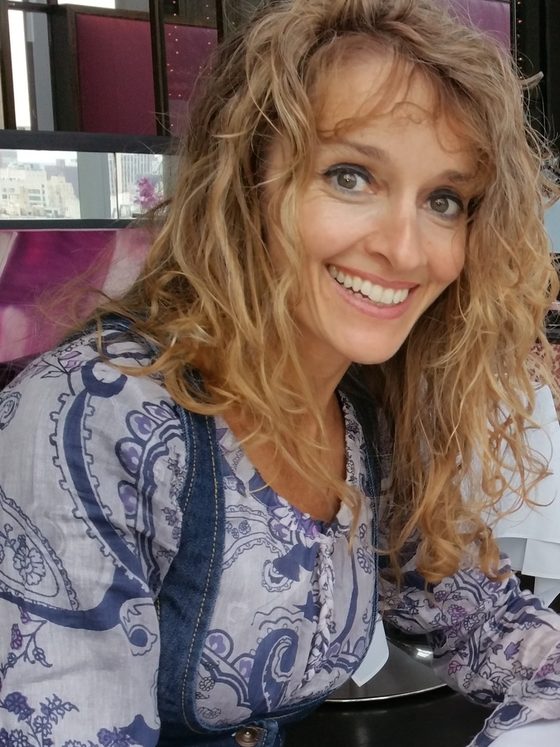
Hola! Jeg er Sofía Reyes Jones, medstifter af Barcelona Tours & More. Mine venner kalder mig Sofie — og det vil jeg meget gerne have, at du også gør.
Jeg skabte Barcelona Tours & More for at være dit betroede sted for det, jeg håber bliver mange genbesøg til Barcelona i årene fremover. Det samler ture, billetter og oplevelser ét pålideligt sted, med teknologi og små gennemtænkte detaljer, der gør det sjovt, varieret og givende at opdage det hele.
Betragt dette hjørne af siden som vores lille rejsedagbog — de små ting, der gør livet her så særligt, dem jeg helst deler.
Denne del står ikke stille: som enhver personlig dagbog vokser den med tiden, efterhånden som jeg husker tidligere oplevelser og føjer nye til sammen med dig.
At rejse er en af mine store passioner, kun overgået af musikken — engang brugte jeg to måneder på at besøge enogtyve byer i atten lande og nåede næsten alle kontinenter, og det var bare én rejse. Jeg håber, at lidt af den kærlighed skinner igennem her og hjælper med at fylde din rejse med helt særlige minder i årevis.
Barcelona i overblik — den gamle by og Eixample-gitteret mellem Collserola-bakkerne og Middelhavet, med Montserrat, vinlandet Penedès, Sitges og Girona inden for rækkevidde.
Three days covers Barcelona's essentials — the Sagrada Família, Park Güell and a Gaudí house on Passeig de Gràcia, the Gothic Quarter and La Rambla, and an evening of tapas and vermouth. A fourth and fifth day let you add Montjuïc and the beaches, Catalonien Museum and El Born, and slow down for the neighbourhoods. With 5–7 days you can fold in day trips — Montserrat, the Penedès wine country, Girona and the Costa Brava, or Sitges.
For a first visit, stay central so you can walk to the sights. The Eixample, around Passeig de Gràcia, is elegant and well-connected, with the Gaudí houses on the doorstep. Ciutat Vella — the Gothic Quarter, El Born and La Rambla — is the atmospheric medieval core, lively and walkable.
Barceloneta and the beachfront put you by the sea and the seafood, a short hop from the old town. The quieter, more local neighbourhoods of Sant Antoni, Poble Sec, Gràcia and Montjuïc trade some convenience for neighbourhood character, and down the coast Sitges makes a relaxed beach base about 40 minutes away by train.
Josep Tarradellas Barcelona–El Prat Airport (BCN) sits about 12–15 km southwest of the centre, with two terminals (T1 and T2). The fastest link to the middle of town is the Aerobús express coach to Plaça de Catalunya (about 35 minutes, running day and night). The Rodalies R2 Nord train serves T2, and metro line L9 Sud reaches both terminals (it connects to the main network rather than running straight to the centre); taxis and pre-booked transfers are also easy.
Barcelona is also a major high-speed AVE train hub at Barcelona Sants — Madrid is about 2½–3 hours, Girona around 40 minutes, and the line continues to the French border — and one of the Mediterranean's busiest cruise ports, just below Montjuïc.
Barcelona has an excellent, easy metro (TMB), plus buses, trams and funiculars. For most visits the single-zone T-casual ticket — 10 journeys shared across metro, bus, tram and the city Rodalies trains — is the best value; a Hola Barcelona travel card gives unlimited travel for a set number of days and includes the airport metro. Tap-to-pay contactless also works on the metro.
The centre is flat and very walkable, and the Eixample's long straight blocks make it easy to navigate. You won't need a car in the city — keep one only if you plan to roam the wider region — and for Gaudí's hilltop Park Güell or Montjuïc there are buses, a funicular and a cable car to save the climb.
Barcelona is a year-round city with a mild Mediterranean climate. The most comfortable months are spring (April–June) and autumn (September–October), when the weather is warm, the sea is swimmable into October and the crowds are lighter than midsummer. July and August are hot, humid and busy, and many local businesses take a break in August.
Winter is cool but rarely cold, with plenty of bright days and the lowest prices — a good time for the museums and Gaudí sites without the queues. Whenever you come, the headline tickets are best booked ahead.
Barcelona's defining sights have timed, capped entry and sell out, so book them before anything else. Gaudí's Sagrada Família basilica needs a dated time-slot ticket (with an add-on to climb a tower); Park Güell's Monumental Zone is also timed and capped; and the Modernista houses on Passeig de Gràcia — Casa Batlló and La Pedrera (Casa Milà) — are far quicker with a pre-booked slot.
If a slot you want is gone, a guided tour often holds its own allocation and adds the context these buildings deserve. Bring ID matching the booking and arrive a few minutes before your slot, as late entry is not guaranteed.
Barcelona eats late — lunch from around 2 pm, dinner rarely before 9 pm — and the local rhythm includes the vermut (vermouth) aperitif before Sunday lunch. Alongside Spanish tapas you'll find Catalan specialities: pa amb tomàquet (bread rubbed with tomato), escalivada, botifarra sausage, seafood fideuà and crema catalana, washed down with local cava from the nearby Penedès.
The Boqueria market off La Rambla is the famous one, but the neighbourhood markets of Sant Antoni and Santa Caterina are more local. A menú del dia at lunch is the best-value way to eat well, and the tapas and pintxo bars of El Born, Gràcia and Carrer Blai in Poble Sec are made for grazing.
The headline is Antoni Gaudí: the still-rising Sagrada Família, the mosaic terraces of Park Güell, and Casa Batlló and La Pedrera on Passeig de Gràcia. In the old town, lose yourself in the Barri Gòtic around the Cathedral, stroll La Rambla to the harbour, and explore El Born with the Catalonien Museum and the church of Santa Maria del Mar.
Up on Montjuïc are the castle, the Joan Miró Foundation, the MNAC Catalan art museum and the Magic Fountain; by the sea, Barceloneta and the Olympic beaches; and for music lovers the Modernista Palau de la Música Catalana. Football fans can tour FC Barcelona's Camp Nou, which has been undergoing a major redevelopment — check what's open before you go.
Barcelona is a superb base. Montserrat, the serrated holy mountain with its Benedictine monastery, is about an hour away by train and rack railway or cable car. The Penedès wine country around Sant Sadurní d'Anoia and Vilafranca is the home of cava, an easy half-day of cellar visits.
North, medieval Girona (around 40 minutes by high-speed train) and the coves of the Costa Brava make a classic day out, as does Figueres for the Dalí Theatre-Museum. South lie the Roman city of Tarragona and the beach resort of Sitges, both a short train ride from the centre.
Barcelona is one of the few great cities with beaches in walking distance of the centre. The sands from Barceloneta north through Nova Icària, Bogatell and Mar Bella were created for the 1992 Olympics and are backed by a long promenade of chiringuito beach bars and seafood restaurants.
Beyond the sand, the Port Vell marina, the cable car across the harbour to Montjuïc, and sailing and catamaran trips off the coast make the most of the waterfront. For quieter or wider beaches, the trains down to Castelldefels and Sitges take well under an hour.
Montserrat — "serrated mountain" — rises in dramatic rounded pinnacles about 50 km northwest of Barcelona and holds Catalonia's most important monastery. Pilgrims come to see La Moreneta, the black Madonna, and to hear the Escolania, one of Europe's oldest boys' choirs, when it sings.
From the R5 train line you reach the monastery by the Cremallera rack railway or the Aeri cable car; funiculars climb higher to the Sant Joan viewpoints and down to the Santa Cova chapel. Allow a half to a full day, bring layers — it is cooler and higher than the city — and check choir times if you want to hear it.
Barcelona is a safe city for visitors, but it has a real reputation for pickpocketing and bag-snatching in the busiest tourist spots — La Rambla, the metro, Sagrada Família, the beach and crowded bars. Violence is rare; opportunist theft is the issue.
Keep your phone and wallet in a front or zipped pocket, wear bags across the body and closed, never leave belongings unattended on the beach or over a café chair, and be wary of staged distractions. With a little awareness it's a non-issue, and the city is otherwise very easy to enjoy.
Spain uses the euro (€), and cards and mobile payment are accepted almost everywhere, though a little cash helps in small bars. Shops may close for a midday break, and meals run late: lunch from around 2 pm, dinner rarely before 9 pm.
Barcelona is bilingual — both Catalan and Spanish are official, and signs are often in Catalan — but Spanish and English are widely understood, and a bon dia or gràcies is always welcomed. Tipping is modest and optional, the emergency number is 112, and tap water is safe to drink.
Nogle yndlingssteder i Barcelona. Fotos af Barcelona Tours & More og via Wikimedia Commons.


